
Should You Install a Dash Cam After an Accident?
After a car accident, it can be difficult to determine exactly how the collision happened. Drivers may be upset, disoriented, and unable to recall every detail clearly. When there are no independent witnesses and the people involved give different accounts, establishing fault can become a frustrating matter of one person’s version against another’s. That is why many drivers later wish they had recorded the incident with a dash cam.
Dash cameras have become a more common tool for motorists who want a dependable record of events on the road. They can provide useful video evidence, but they are not a complete answer to every accident-related concern. Before installing one, it is important to understand both the protection a dash cam may offer and the practical limitations that come with it.
Why More Drivers Are Choosing Dash Cams
Concerns about traffic safety have led more people to consider dash cams for their vehicles. Accident rates remain higher than they were years ago, and disagreements about responsibility can complicate insurance claims. In these circumstances, a video record may offer valuable information that is not dependent on either driver’s memory.
Research has also contributed to the growing interest in these devices. A study published in the Journal of Safety Research reported that accident-related costs decreased by 86% when dash cams with driver-feedback features were used. Although the research examined a particular use case, it demonstrates how recorded footage may reduce risky driving and help lessen the financial consequences of a crash. For individual drivers, clear video can potentially make accident disputes easier to evaluate.
What a Dash Cam Records While You Drive
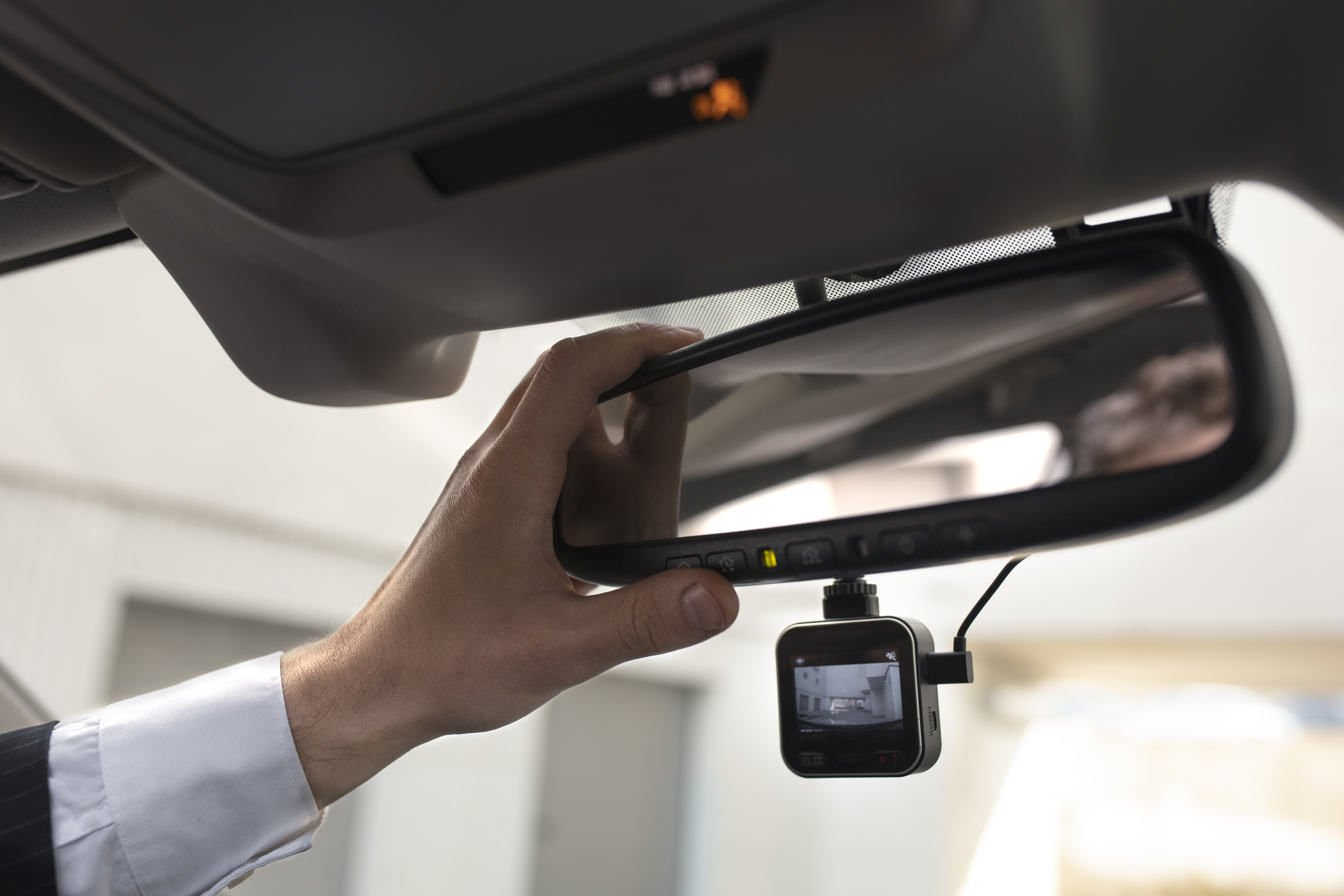
A dash cam is a compact camera generally placed on the dashboard or windshield. It records continuously while the vehicle is operating and saves the clips to a memory card. Many cameras rely on loop recording, which means new recordings replace earlier ones unless the driver saves the footage.
Some dash cams provide features beyond standard forward-facing video. Certain models begin recording when they detect motion or an impact while a vehicle is parked. That capability may be useful after a parking-lot collision or hit-and-run. Other options can include rear-facing cameras, night recording, GPS information, and cloud storage. No matter which features are selected, the central function is to create a visual account of what took place.
Using Dash Cam Video to Clarify a Collision
The primary advantage of a dash cam is its ability to record the moments around a collision as they occur. If liability is disputed and no one else witnessed the crash, video may help clarify the events leading up to it, the impact itself, and what happened right afterward.
Depending on the camera angle and footage quality, a recording may show lane placement, traffic lights, sudden braking, or other relevant details. It could support an account that another motorist entered a lane improperly or did not yield when required. This kind of documentation may help address conflicting stories and bring greater clarity to insurance discussions or legal matters.
Dash Cams and Fraudulent Accident Allegations
Staged collisions and false accident claims are not common, but they do occur. When they do, dash cam footage can be an important source of evidence. Video has documented situations involving intentional crashes and inaccurate accounts intended to shift responsibility to an innocent driver.
By preserving a record of the actual incident, a dash cam may help a driver respond to an unfounded allegation or suspected fraud. A camera cannot eliminate every dishonest situation, but objective footage can make it more difficult for a false account to withstand review.
Recording Evidence After a Hit-and-Run
A hit-and-run can leave a vehicle owner feeling especially powerless. When someone damages a vehicle and drives away, it may be difficult to identify the person responsible. A dash cam may capture a license plate, vehicle characteristics, or other details that could help identify that driver.
Parking-mode dash cams may provide additional value in these situations. If a device activates after detecting motion or impact, it may record a collision while the vehicle is unattended. That added recording capability can create another potential source of information after a parking-lot incident or other hit-and-run event.
Where Dash Cams Fall Short
Despite their potential benefits, dash cams do not guarantee protection after an accident. They can only capture what is visible within the camera’s range. Footage may be less helpful if an event occurs outside that view, if the lens is obstructed, if the recording is unclear, or if the relevant clip is overwritten before it is saved.
A dash cam is also impartial. It does not record evidence only when it favors the driver who owns it. If video depicts speeding, distracted driving, aggressive behavior, or another unsafe action by that driver, the recording could potentially be used against them. The camera simply documents events as they happened.
Installation, Privacy, and Footage Handling
Using a dash cam also requires attention to legal and practical responsibilities. Installation matters because some states regulate where devices may be placed on a windshield. A camera mounted in the wrong location could block the driver’s view or fail to comply with applicable requirements.
Privacy rules should be considered as well. In states with two-party consent requirements, recording conversations inside the vehicle without permission may create legal issues. Drivers should also store and handle recordings carefully, particularly when a video may become evidence in an insurance claim or legal case. Preserving the footage in a responsible manner can be important to its later use and interpretation.
Deciding Whether a Dash Cam Makes Sense
Whether to install a dash cam depends on a driver’s routines, priorities, and comfort with recording. People who commute often, drive as part of their work, or have dealt with a disputed collision may decide that video documentation offers benefits worth considering.
Others may be concerned about privacy, device upkeep, or the possibility that footage could reveal conduct that harms their own position. There is no single choice that suits every driver. Understanding how insurers and legal professionals may view dash cam video can help a person make a more informed decision before an accident occurs.
If you were involved in a car accident and have questions about the effect dash cam footage may have on a personal injury claim, professional guidance can be an important next step. Video evidence can be significant, but the way it is preserved, presented, and understood matters as much as the recording itself. The Law Offices of Seth J. Butler, LLC is here to help. Call anytime for guidance.