
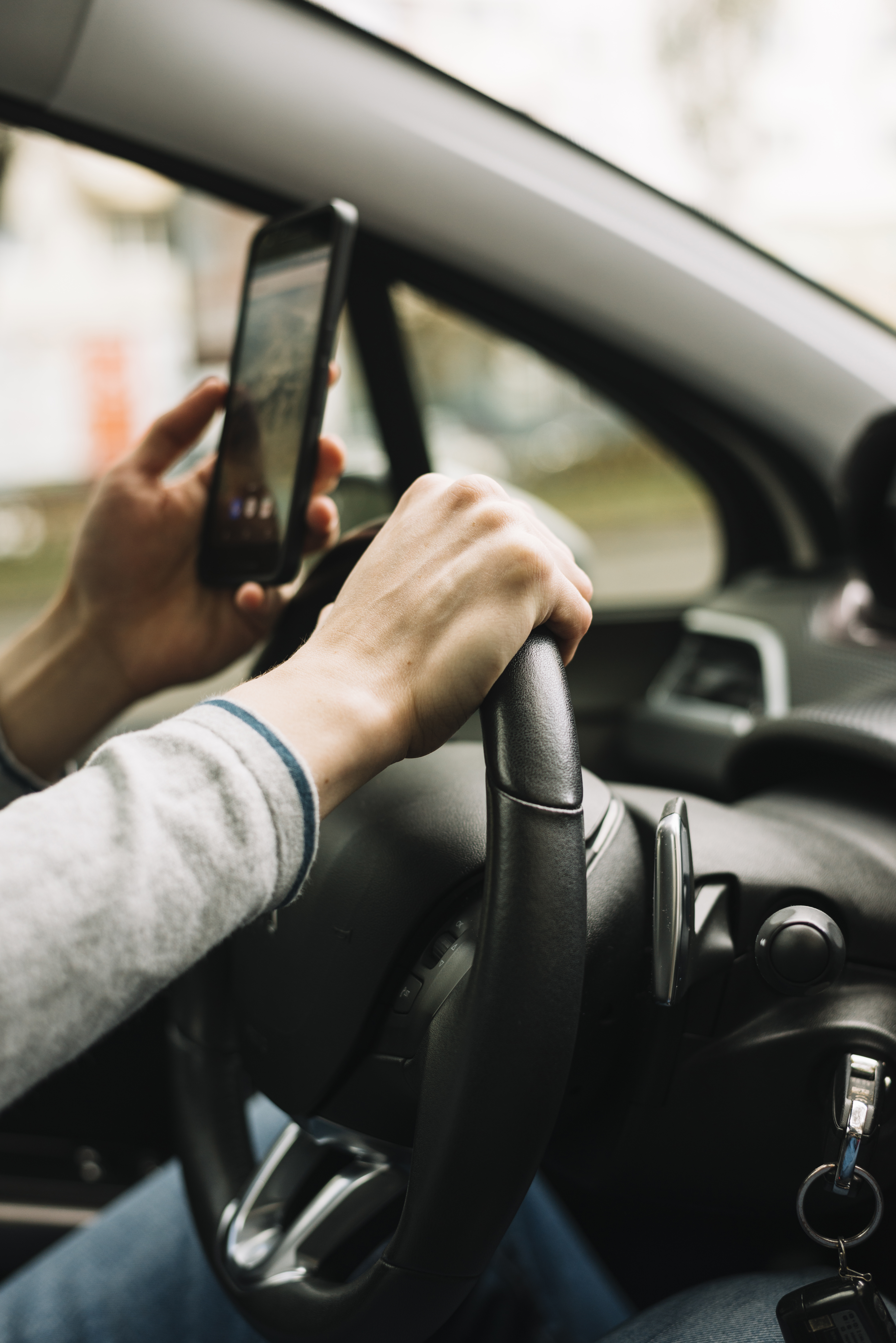
How Evidence Proves Distracted Driving Claims
Distracted driving is a major contributor to serious car accidents, but proving it requires more than suspicion. A strong claim depends on combining digital records, witness statements, and physical evidence to clearly show a driver’s lack of attention. When these elements are aligned, they can establish negligence and support a compelling legal case. Understanding how each type of evidence works can help victims take the right steps after a crash.
Understanding the Challenge of Proving Distraction
Distracted driving remains one of the most common causes of collisions nationwide. Even with increased awareness, demonstrating that a driver was distracted at the exact moment of impact is not always simple. Unlike more obvious violations, distraction often leaves behind indirect clues rather than clear admissions.
The Law Offices of Seth J. Butler, LLC approaches these cases by gathering multiple forms of evidence that, when combined, tell a cohesive story. This layered strategy helps connect a driver’s behavior to the events leading up to the accident and ultimately proves negligence.
Digital Evidence: Reconstructing Device Activity
Electronic data often provides some of the most persuasive insights into distracted driving. Mobile devices, in particular, can reveal patterns of use that align closely with the timing of a crash.
Phone records such as call logs, text message timestamps, and application activity can indicate whether a driver was actively using their device. Even without access to message content, timing alone can suggest that attention was diverted away from the road.
Obtaining this information can be complex. Wireless providers may only retain records for a limited period, and legal steps like subpoenas are typically required to access them. In some cases, specialists perform forensic examinations on devices to recover deleted data or identify background activity, such as navigation use or social media engagement.
Social Media and Location Data as Supporting Proof
Frequent online engagement has introduced another layer of potential evidence. Drivers sometimes interact with social platforms while behind the wheel, whether by posting updates, uploading images, or checking notifications.
Location tracking, app usage history, and social media timestamps can help establish a timeline of activity. These details may show that a driver was interacting with their phone instead of focusing on traffic conditions. When combined with phone records, this information can create a detailed picture of inattention leading up to the crash.
Witness Testimony and Video Footage
Firsthand accounts and recorded footage provide valuable context that supports digital findings. These forms of evidence add a human and visual dimension to the case.
Witnesses—including other motorists, passengers, or pedestrians—may recall seeing a driver looking down, holding a phone, or otherwise distracted just before the collision. In some situations, they also observe behavior immediately afterward, such as admissions or visible device use.
Video evidence can be even more impactful. Traffic cameras, nearby security systems, and personal dashcams often capture critical moments. Footage showing a vehicle drifting, delayed braking, or device interaction can strongly support claims of distraction.
However, this type of evidence is often temporary. Many systems overwrite recordings quickly, which makes early retrieval essential to preserving key details.
Vehicle Data and Physical Scene Evidence
Physical and mechanical data offer another important layer of proof. Many modern vehicles contain Event Data Recorders (EDRs), which store information about the vehicle’s performance just before a crash.
These systems may reveal speed, braking activity, steering input, and acceleration patterns. For example, if the data shows no attempt to brake or avoid impact, it may indicate that the driver failed to notice a hazard in time.
In addition to vehicle data, the accident scene itself can provide critical clues. Investigators analyze factors such as:
- Presence or absence of skid marks
- Damage patterns on the vehicles involved
- Position of debris on the roadway
These details help reconstruct how the crash occurred. Accident reconstruction professionals often use this information to determine whether a driver could have prevented the collision if they had been fully attentive.
The Importance of Acting Quickly
Timing plays a crucial role in distracted driving cases. Many forms of evidence—especially digital records and video footage—are only available for a limited window. Waiting too long can result in permanent loss of critical information.
The Law Offices of Seth J. Butler, LLC emphasizes early action to preserve evidence. This often includes sending formal requests to secure phone data, obtaining surveillance footage, reviewing vehicle information, and coordinating expert analysis. Prompt legal involvement ensures that no key detail is overlooked or lost.
Delays can weaken a claim significantly, particularly if important records are deleted or overwritten before they are secured.
Building a Strong Path Forward
Establishing distracted driving requires more than a single piece of proof. It depends on assembling a combination of digital, testimonial, and physical evidence that clearly demonstrates a lapse in attention.
Whether the distraction involved texting, social media, or navigation tools, identifying these behaviors can make a meaningful difference in the outcome of a case. A thorough and timely investigation helps ensure that victims have the support needed to pursue fair compensation.
For those involved in a crash where distraction may have played a role, seeking legal guidance is an important first step. With the right approach, it is possible to build a case that accurately reflects what happened and protects your rights moving forward.